How to Improve Flexibility: A Practical Guide for Every Level
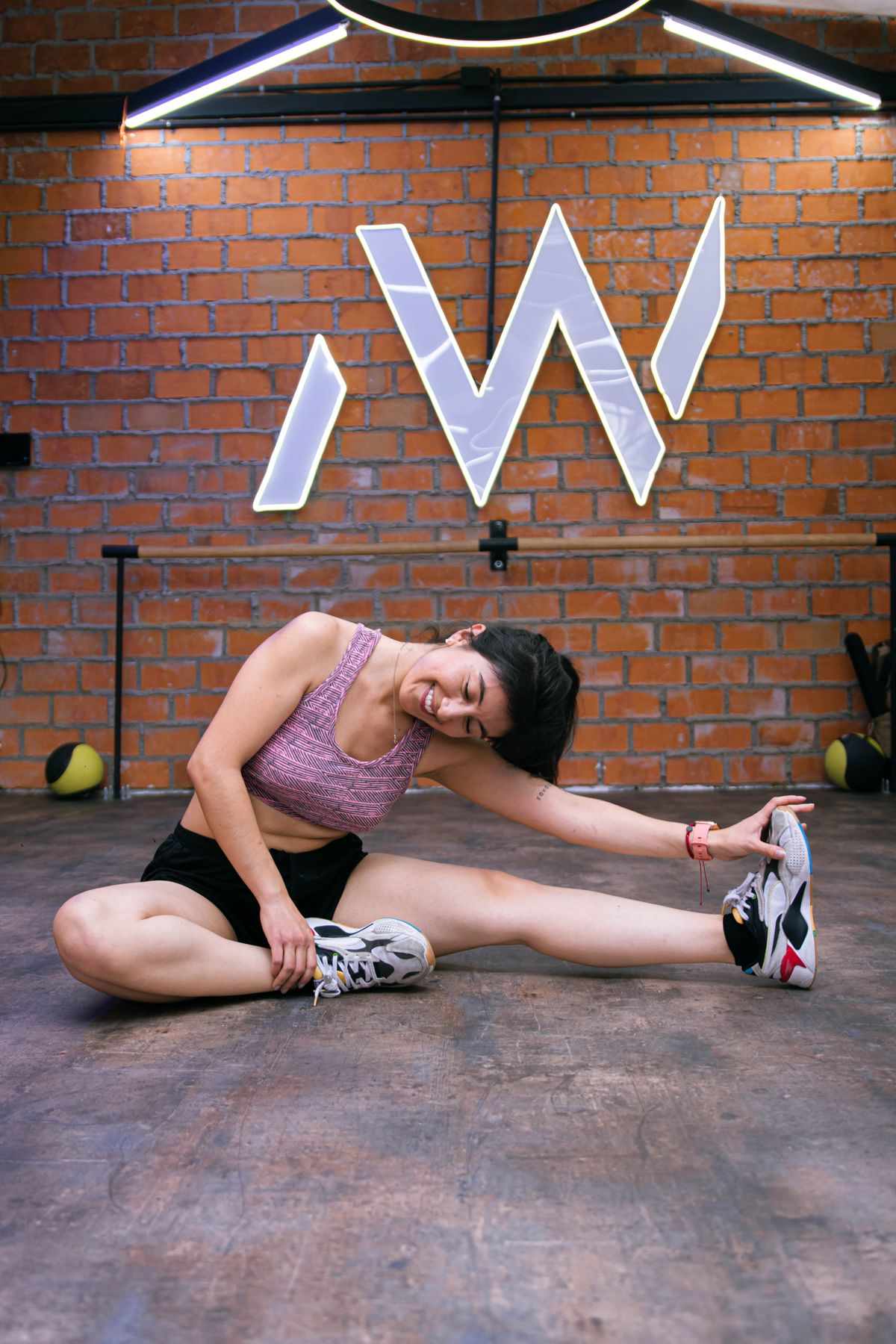
Flexibility isn't just for gymnasts — good range of motion helps you move better, lift safely, and avoid the aches that come with stiffness. The good news is that flexibility responds quickly to consistent work.
Static vs dynamic stretching
Use dynamic stretches (moving) to warm up before exercise, and static stretches (held 20-40 seconds) after training or on their own to increase flexibility. Both have their place.
Consistency beats intensity
Stretching a little every day beats an occasional marathon session. Aim for 5-10 minutes daily, targeting your tightest areas — commonly hips, hamstrings, chest and shoulders.
Build Your Perfect Workout
Get guided routines, form videos and automatic progressive-overload tracking — free on your phone.
Add mobility and strength
True usable flexibility combines range of motion with control. Incorporate mobility drills and full-range strength exercises (like deep squats and Romanian deadlifts) to build flexibility you can actually use.
The takeaway
Stretch daily, use dynamic before and static after, and pair it with mobility and full-range strength. Flexibility improves steadily — be patient and consistent.
Get Weekly Fitness Tips
Workouts, nutrition and habit advice — straight to your inbox. No spam, unsubscribe anytime.
Build Your Perfect Workout
Get guided routines, form videos and automatic progressive-overload tracking — free on your phone.


