
How to Count Macros: A Beginner's Guide to Flexible Dieting
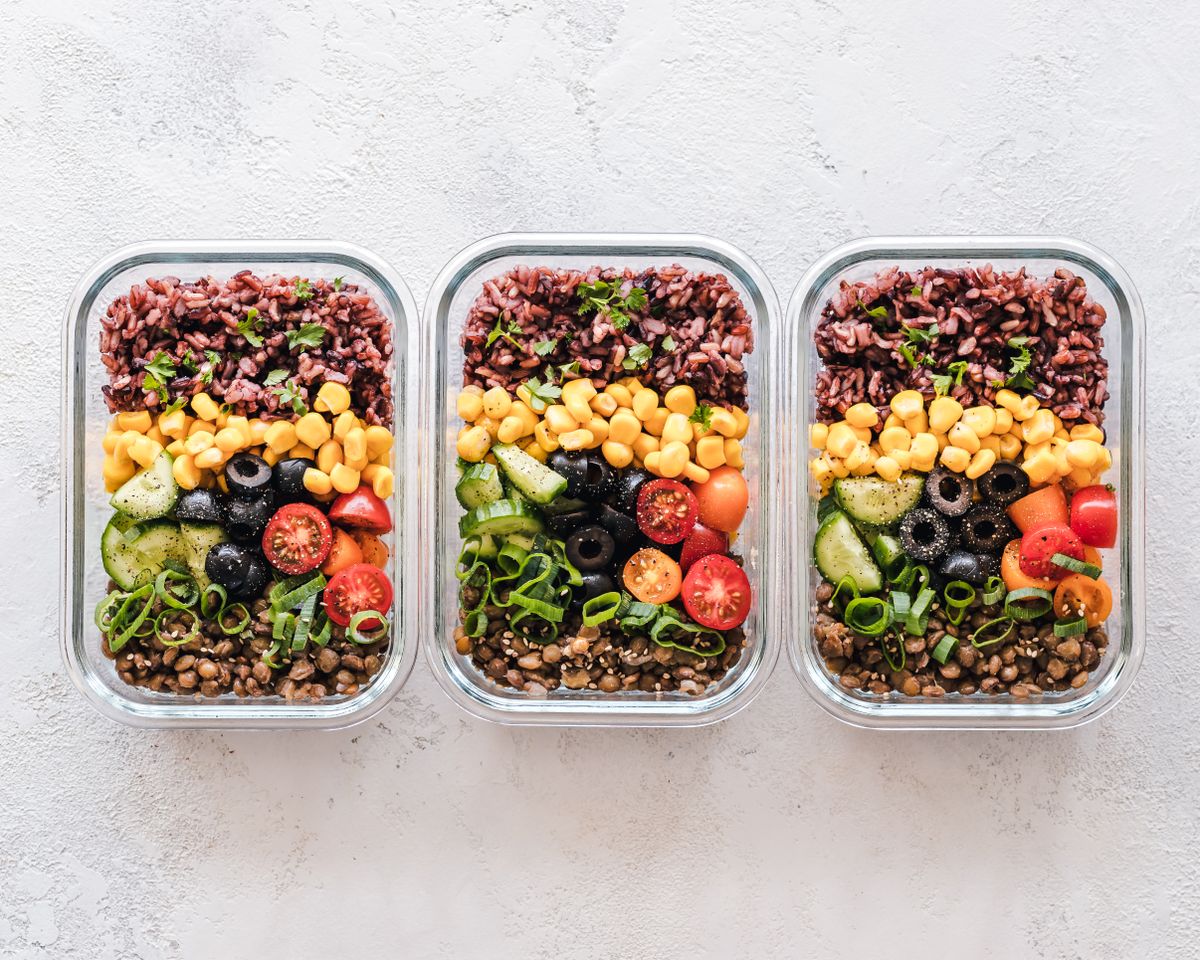
Counting macros — tracking your grams of protein, carbs and fat — is one of the most flexible, effective approaches to nutrition. Instead of banning foods, you fit them into daily targets, giving you freedom and results.
Step 1: Set your calories
First determine your daily calorie target based on your goal — a deficit for fat loss, a slight surplus for muscle gain. This is the foundation your macros are built on.
Step 2: Split into macros
- Protein: ~0.8-1g per pound of bodyweight
- Fat: ~20-30% of total calories
- Carbs: fill the remaining calories
Hit Your Nutrition Goals
Track macros, log meals in seconds and follow science-backed plans that fit your body — free on your phone.
Step 3: Track accurately
Use a food-tracking app and, ideally, a food scale at first. Log everything you eat and aim to hit your protein target most reliably — it's the most important macro for body composition.
The takeaway
Set calories, divide into protein, fat and carbs, and track consistently. Macro counting isn't forever, but learning it teaches portion awareness that lasts a lifetime.
Get Weekly Fitness Tips
Workouts, nutrition and habit advice — straight to your inbox. No spam, unsubscribe anytime.
Hit Your Nutrition Goals
Track macros, log meals in seconds and follow science-backed plans that fit your body — free on your phone.


