Functional Training: What It Is and Why It Matters
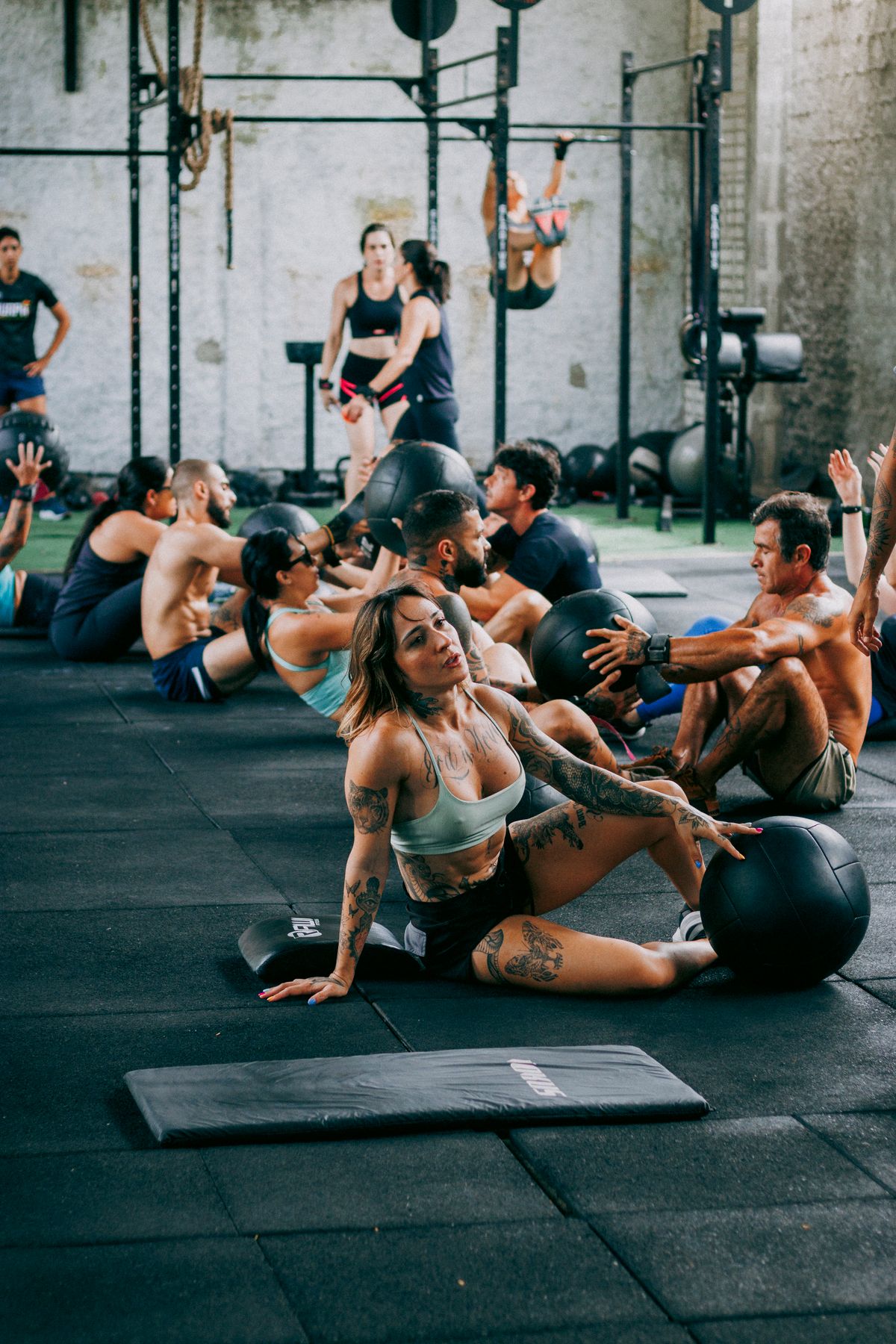
Functional training focuses on movements that mirror real-life activities — lifting, carrying, pushing, pulling and rotating — rather than isolating single muscles. The goal is strength you can actually use.
The key movement patterns
- Squat (sitting, standing)
- Hinge (picking things up)
- Push (pushing objects/doors)
- Pull (rows, carrying)
- Carry (loaded walking)
- Rotate and anti-rotate (twisting)
Why it matters
Training these patterns builds strength that transfers to daily tasks, sport and injury prevention. It also engages your core and stabilisers, improving balance and coordination in ways machines can't.
Build Your Perfect Workout
Get guided routines, form videos and automatic progressive-overload tracking — free on your phone.
How to train functionally
Use free weights, kettlebells, bands and bodyweight through full ranges of motion. Include multi-joint, multi-planar movements and loaded carries. You don't need to abandon traditional lifts — combine both.
The takeaway
Functional training builds practical, real-world strength across fundamental movement patterns. Blend it with classic strength work for a body that's both strong and capable.
Get Weekly Fitness Tips
Workouts, nutrition and habit advice — straight to your inbox. No spam, unsubscribe anytime.
Build Your Perfect Workout
Get guided routines, form videos and automatic progressive-overload tracking — free on your phone.


